Advantages and Disadvantages of Various Retail Packaging Solutions
There are many materials and types of packaging solutions available in the market. You can get many different types of packaging solutions based on plastics and polymers. Also, there is a complete range of cellulose-based packaging solutions. As you can see from the title, every packaging has its own set of pluses and minuses.
So, here we will take some of the famous packaging materials and get into everything you need to know about them. Plastic and Polymer Based Packaging Solutions Plastic is a durable, sturdy, and long-lasting material. This packaging material is highly customizable. You can see various sizes, shapes, colors, and surface finishes of products and packaging solutions made from plastic.
This material is so much long-lasting that this quality is going against itself. Many varieties of plastics are very difficult to recycle. Therefore, they either end up filling landfills, oceans or burned directly. All three ways of dumping plastics are not feasible for a long time and contribute to the land, ocean, and air pollution. If plastic is let out on its own, it won’t breakdown at all.
This material is not biodegradable at all. However, on a small-scale, people are putting efforts into reusing waste plastics. Some companies are making blocks out of plastic packaging waste and using them for making houses. While there are some schools in the Philippines that are decorating their lawns with wasted plastic. But those are some humble and small steps that for now are now only as good as to raise awareness.
The plastic problem is so serious that a famous soda brand will be launching cardboard-based pet bottles. The polymer-based packaging solutions are even more troubling, and what’s even more dangerous is the fact that they are used for packing food in many places. Instead of getting custom retail boxes wholesale, people are buying these for their food businesses.
On contact with hot food, there is a massive risk of chemical contamination. From the recyclability and biodegradability point of view, they can be more difficult to deal with than plastics sometimes. So, again the same problems are with these packaging solutions as well. Cellulose Based Packaging Solutions. The cellulose-based packaging solutions are the ones that are made with wood pulp.
There are four major types of these packaging solutions named cardstock, Kraft, corrugated, and Rigid material. The corrugated material is the usual packaging material with the difference that it has three layers, of which two of them side panels and a fluted layer that is sandwiched between them. Similarly, the rigid material has many compressed layers, which is why it is harder and more durable.
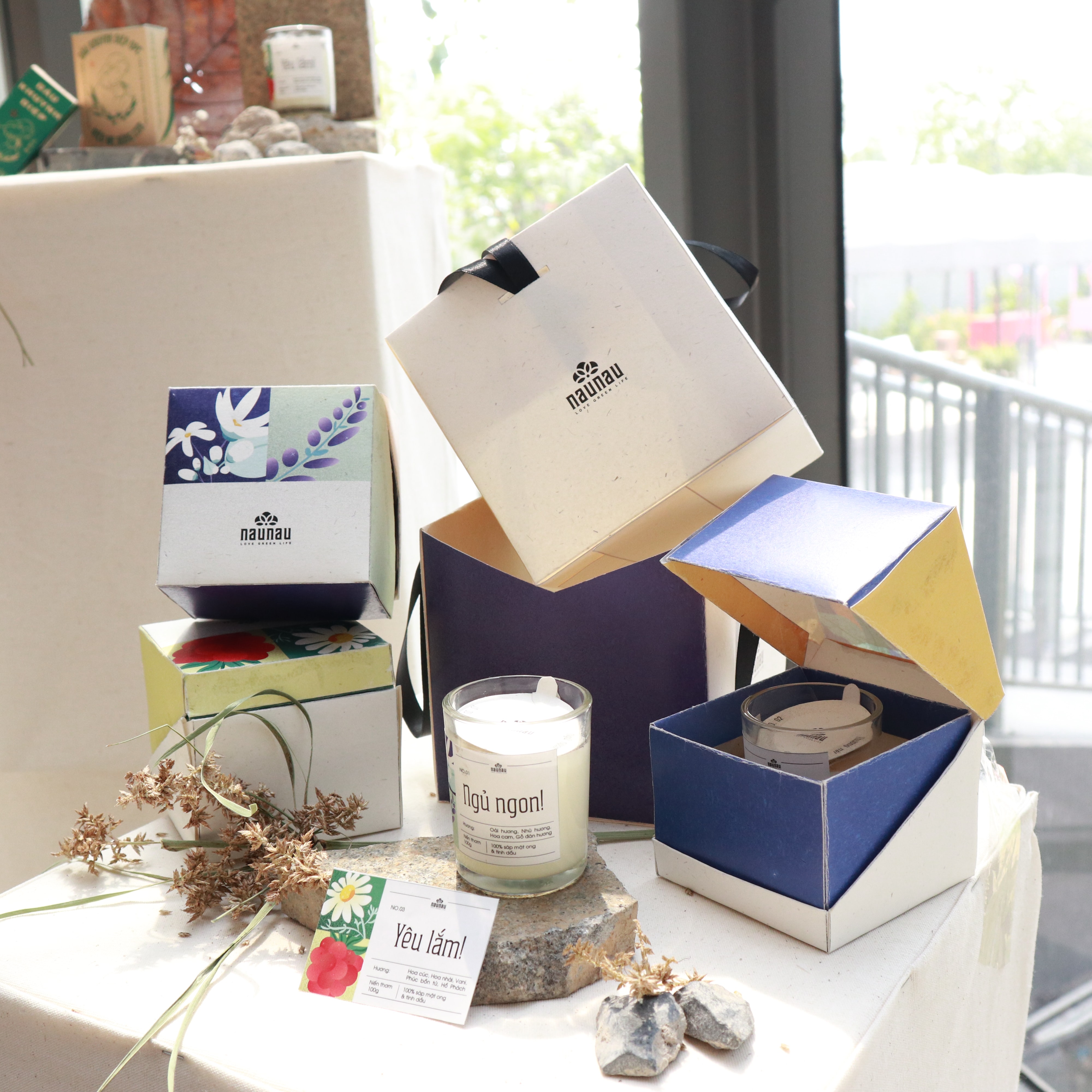
So, that leaves us with two major types of cellulose-based packaging solutions of Kraft and Cardboard. Kraft and cardboard are different from each other as Kraft can be made of up to 100% recycled material. In contrast, cardboard is generally made of virgin pulp with some quantity of recycled pulp. The surface of Kraft is brown and feels a little grainy.
Therefore, you do not get the best printing results with packaging boxes made of this material. The bright side of this packaging material is that it is reusable, recyclable, and biodegradable. Cardboard, on the other hand, is of many types. The common type of cardboard is white cardboard with a smooth bleached surface.
This material is highly customizable and allows you to try various printing and finishing customizations. But the shortcoming is it is not as eco-friendly as cardboard. Both of these cellulose-based packaging solutions are not as half as long-lasting as plastic.
However, this shortcoming of these materials makes them easy to dispose of. This is why most of the retail products we see in the market are packed in these boxes instead of plastic.
